
How to Use Micellar Water: Rinsing and Choosing by Skin Type
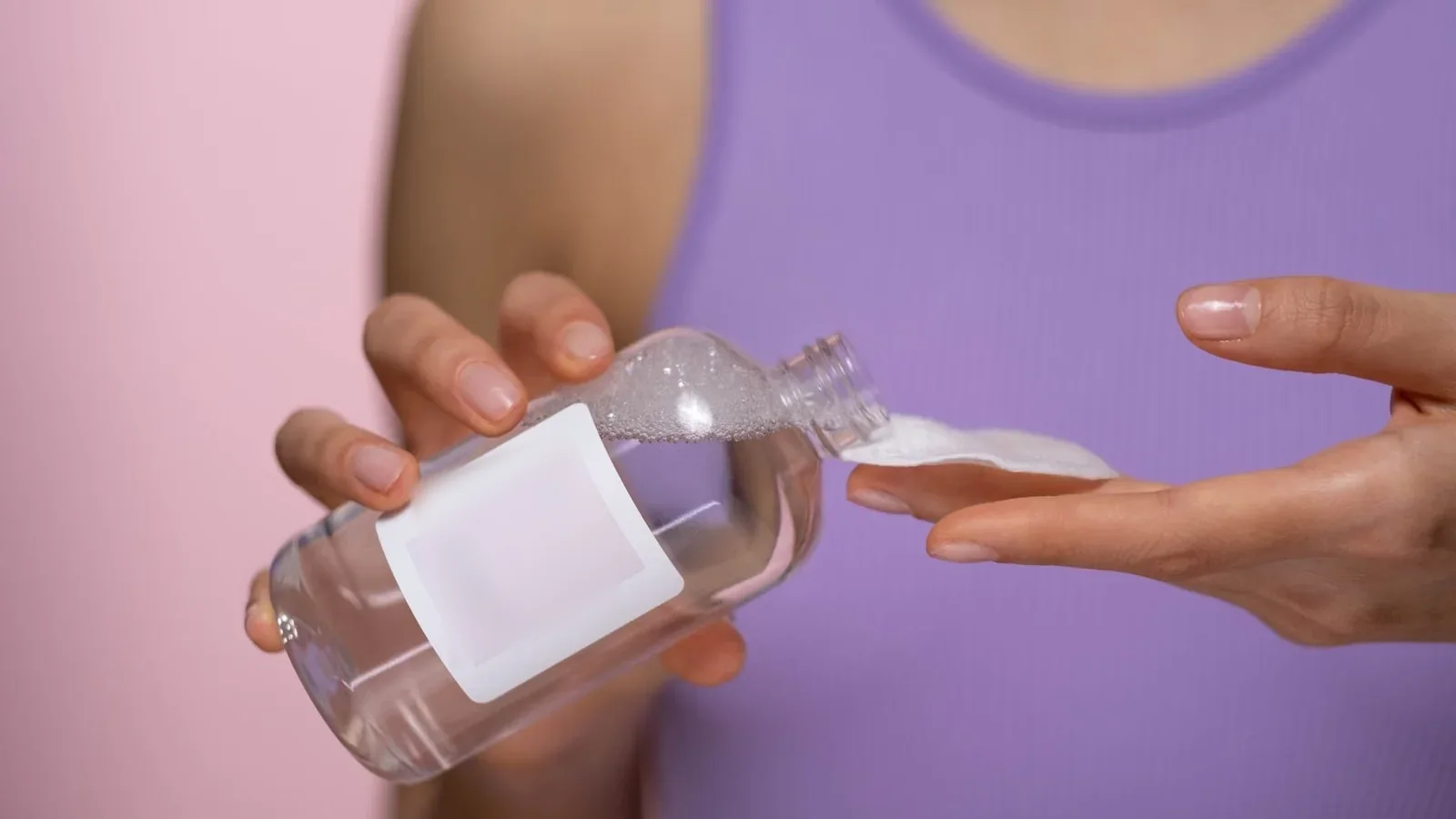
How do you use micellar water, do you need to rinse it off and does it remove eye make-up? A step-by-step guide with tips for sensitive and oily skin.
Short answer: Micellar water is a cleansing water that removes make-up, sunscreen, dirt and excess oil without lathering. Here's how to use micellar water: pour it onto a cotton pad, press the pad against your skin and wipe gently without rubbing. Most micellar waters are formulated so that they don't need rinsing off. However, if your skin feels tight afterwards, if you are prone to breakouts or if you have worn heavy make-up, rinsing with lukewarm water or following up with a second cleanse using a face cleanser will leave your skin more comfortable. Always follow the directions on the product packaging.
What is micellar water and how does it work?
Micellar water (sometimes called micellar cleansing water) is a cleanser made of water containing a very low concentration of surfactants. One end of each surfactant molecule is attracted to water and the other to oil. Once they reach a certain concentration in the water, they cluster together into microscopic spheres called "micelles".
When the cotton pad touches your skin, the oil-loving core of the micelles draws in make-up, sebum and sunscreen, while the water-loving outer layer carries this residue away onto the pad. This is how micellar water cleanses without lathering and without the need for vigorous rubbing. Because you don't need to be near a sink, it is also handy for your morning routine, for travelling and after exercise.
How to use micellar water, step by step
- Soak the cotton pad well. The pad should be wet but not dripping. A dry pad stresses the skin through friction.
- Start with your eye make-up. Press the wet pad onto your closed eye and hold it there for 10–20 seconds; once the make-up has dissolved, draw the pad gently downwards without rubbing.
- Wipe your face from the centre outwards. Use soft strokes, working from your forehead to your temples, from your nose to your cheeks and from your chin down to your neck.
- Repeat until the pad comes away clean. Don't carry on with a dirty pad; use a fresh one for each area.
- Rinse or cleanse again if needed. If you have worn heavy make-up or water-resistant sunscreen in the evening, follow the micellar water by washing your face with a cleanser suited to your skin type.
- Carry on with your skincare routine. Apply a toner or mist to your clean skin, followed by serum and moisturiser. For the serum step, see our guide How to Use PDRN Serum: Routine Order and Ingredient Pairings.
Do you rinse off micellar water?
If the packaging says "no rinse needed", you don't have to rinse the micellar water off; KDID's micellar waters are also formulated so that they don't require rinsing. Even so, rinsing with lukewarm water or doing a second cleanse can leave your skin more comfortable in the following situations:
- Tightness or stinging after use: Surfactants can leave a very fine residue on the skin. If you notice this feeling, rinsing with lukewarm water reduces the residue.
- Oily and acne-prone skin: Washing with a gel or foam cleanser after micellar water helps prevent residue from building up in the pores.
- Heavy make-up and water-resistant sunscreen: In the evening, using micellar water as the first step and a face cleanser as the second gives the most thorough cleanse.
In the morning, micellar water on its own may be enough to remove the oil and skincare residue that have built up overnight.
Where micellar water fits in a double cleanse
Double cleansing, popularised by Korean skincare, involves two steps: first a cleanser that dissolves make-up and sunscreen, then a water-based cleanser that clears surface dirt and sweat from the skin. Because micellar water feels lighter on the skin than oil-based cleansers, it is a popular choice for the first step, especially for oily and combination skin. A gentle face wash afterwards prepares your skin for the rest of your skincare. To find out how cleansing affects the skin barrier, see our article A Daily Routine That Supports the Skin Barrier.
Micellar water or a gel cleanser?
The two don't replace each other; they work together. Micellar water is good at dissolving make-up, sunscreen and oil-based residue without the need for water. A gel face cleanser, on the other hand, uses water and lather to rinse dirt, sweat and residue from the skin's surface.
- Morning: Either micellar water or a gentle gel cleanser is usually enough.
- Evening, on a make-up-free day: Micellar water, followed by a rinse with lukewarm water.
- Evening, after make-up or water-resistant sunscreen: Micellar water first, then a gel cleanser.
How to choose micellar water for sensitive skin
- Opt for formulas with a short, simple ingredient list that include soothing ingredients such as panthenol and allantoin. If you are sensitive to fragrance or plant extracts, check the ingredient list.
- Press the cotton pad onto your skin rather than rubbing; friction is sensitive skin's biggest enemy.
- Before using a new product for the first time, try it on a small area under your jawline.
- If you notice stinging, redness or tightness after use, rinse with lukewarm water; if the irritation continues, stop using the product.
In pink packaging, KDID Sensiva Micellar Water has a no-rinse formula with panthenol, allantoin, chamomile and witch hazel, developed for sensitive skin that needs gentle cleansing.
How to choose micellar water for oily and combination skin
- Choose light-feeling formulas that don't leave an oily film on the skin.
- Spend a little more time on your T-zone (forehead, nose and chin).
- In the evening, follow the micellar water with a gel cleanser.
- Don't skip moisturiser after cleansing; skin that has dried out may produce more oil to restore its balance.
In green packaging, KDID Clariva Micellar Water, with zinc PCA, salicylic acid, tea tree extract and panthenol, was developed for oily skin and skin prone to oiliness, and helps remove excess oil from the skin's surface.
5 common mistakes when using micellar water
- Rubbing hard with the cotton pad: This leads to redness and sensitivity, especially around the eyes.
- Wiping your whole face with a single pad: This just moves dirt from one area to another.
- Trying to remove waterproof mascara in one go: If needed, use a bi-phase cleanser for eye make-up and hold the pad in place for longer.
- Skipping the second cleanse after a heavy make-up night: Residue can build up in the pores.
- Not moisturising after cleansing: Freshly cleansed skin needs a serum and cream step to prevent moisture loss.
Frequently asked questions
Can micellar water replace toner?
No. Micellar water is a cleanser. A toner or mist is used after cleansing to hydrate the skin and prepare it for the steps that follow.
Does micellar water remove eye make-up?
Yes, it removes everyday eye make-up. Simply hold a wet cotton pad over your closed eye for 10–20 seconds. For waterproof mascara, a bi-phase eye make-up remover may be more effective. Avoid getting the product directly in your eyes; if it does get in, rinse thoroughly with water.
Can you use micellar water every day?
Yes. Micellar water is gentle enough to use twice a day, morning and evening.
Do I need micellar water if I don't wear make-up?
Sunscreen, dirt, sweat and the sebum that builds up during the day also need to be cleansed away. Even if you don't wear make-up, you can use micellar water as the first step of your evening cleanse or as a quick morning cleanse.
Which KDID micellar water is right for me?
For sensitive skin, choose Sensiva in pink packaging; for oily skin and skin prone to oiliness, choose Clariva in green packaging. There is also Calmiva in blue packaging, suitable for all skin types. If you're unsure, ask your pharmacist.
Where can I buy KDID micellar water?
KDID is a dermocosmetics brand built on trust, science and quality. In Türkiye, its micellar waters are available only through pharmacies and authorised sales channels. You can find your nearest pharmacy on our Points of Sale page.